

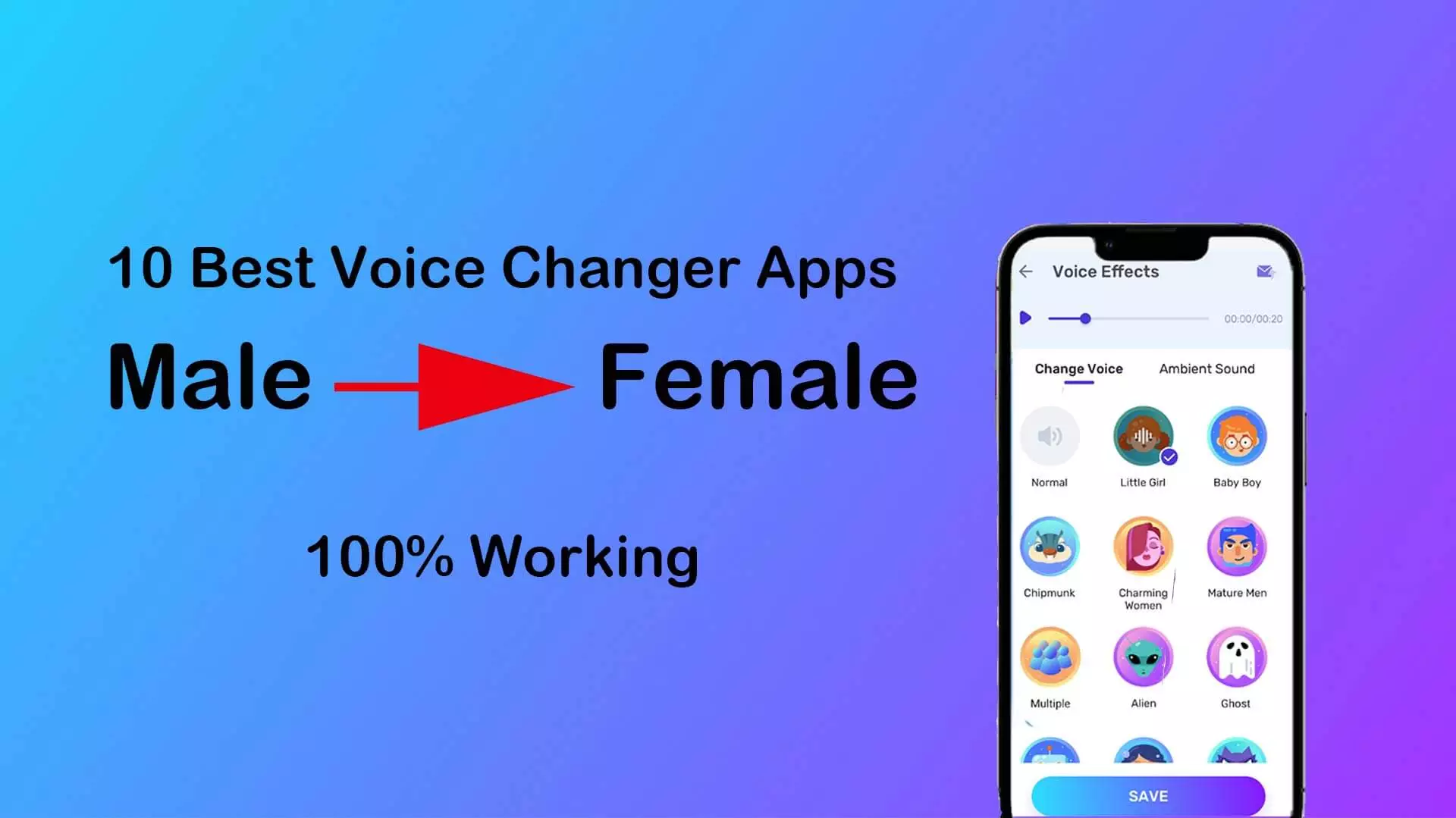
Change Male Voice to Female Using AI Voice Changer: Complete Guide for Creators, Gamers, and Businesses
Imagine speaking into a microphone and hearing a natural, expressive female voice come out in real time. No voice training, no expensive studio sessions, no complex audio engineering. This is no longer science fiction. Thanks to rapid advances in artificial intelligence, changing a male voice to a female voice using an AI voice changer has become accessible, affordable, and surprisingly realistic.
From content creators and gamers to businesses and everyday users seeking privacy or creative freedom, AI-powered voice gender transformation is reshaping how we communicate online. However, with so many tools, claims, and technical terms floating around, it is easy to feel overwhelmed or misled.
This in-depth guide explains how AI voice changers work, why male-to-female voice conversion is booming, and how to evaluate this technology with confidence. Drawing on real-world use cases and insights from the AI community, this article is designed to help you make informed, trustworthy decisions.
What Is an AI Voice Changer?
Definition of AI Voice Changer Technology
An AI voice changer is a software solution that uses artificial intelligence to modify a person’s voice in real time or from recorded audio. Unlike simple pitch shifters, modern AI voice changers analyze the structure of human speech and reconstruct it using advanced machine learning models.
When changing a male voice to a female voice, the system does not merely raise pitch. Instead, it reshapes vocal characteristics such as resonance, tone, cadence, and articulation to match how female voices naturally sound.
How AI Voice Changers Differ from Traditional Voice Filters
Traditional voice changers rely on basic digital signal processing. They typically apply fixed effects such as pitch increase or echo, often resulting in robotic or unnatural output.
AI voice changers, by contrast, are trained on thousands of hours of real human voices. According to research published by IEEE on neural speech synthesis, AI-driven voice models can replicate human vocal nuances with over 90 percent perceived naturalness when trained on high-quality datasets.
- Traditional filters: limited, artificial, easily detectable
- AI voice changers: adaptive, realistic, context-aware
Why Gender Voice Transformation Is in High Demand
The demand for male-to-female AI voice changers has grown rapidly since 2022. Platforms such as Twitch, YouTube, and TikTok have driven this trend, especially among streamers, VTubers, and storytellers.
Beyond entertainment, businesses are adopting AI voice technology for training simulations, multilingual content, and inclusive digital experiences. A 2024 report from Statista estimates the global AI voice and speech market will exceed 25 billion USD by 2030, with voice customization being one of the fastest-growing segments.
How AI Changes Male Voice to Female
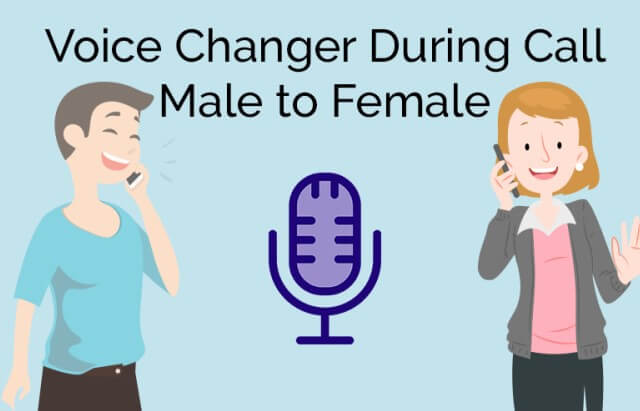
Core Technologies Behind AI Voice Gender Conversion
At the heart of male-to-female voice conversion lies a combination of advanced AI techniques. These systems do not guess; they calculate, learn, and adapt.
- Machine Learning: Models learn voice patterns from large datasets.
- Deep Neural Networks: Multi-layer networks process complex speech features.
- Voice Cloning and Synthesis: AI reconstructs speech with new vocal characteristics.
Popular architectures such as WaveNet and Transformer-based speech models allow AI voice changers to generate fluid, emotionally expressive female voices rather than flat, monotone outputs.
Key Voice Parameters AI Modifies
Pitch and Tone Adjustment
Female voices generally operate at higher pitch ranges than male voices. However, simply increasing pitch often sounds unnatural. AI voice changers dynamically adjust pitch while preserving vocal stability and avoiding distortion.
Formants and Resonance
Formants determine how sound resonates in the vocal tract. Female voices typically have different resonance patterns due to physiological differences. AI models reshape these frequencies to achieve a more authentic gender transformation.
Speech Patterns and Intonation
Natural female speech often includes distinct intonation patterns, rhythm, and emphasis. Advanced AI voice changers analyze sentence structure and emotional cues to replicate these subtle characteristics.
Real-Time vs Pre-Recorded Voice Conversion
There are two main approaches to AI voice gender conversion:
- Real-time voice changers: Ideal for gaming, live streaming, and calls.
- Pre-recorded conversion: Used for podcasts, videos, and professional narration.
Real-time systems prioritize low latency, while pre-recorded solutions often deliver higher audio fidelity. Choosing between them depends on your specific use case.
Popular Use Cases for Male-to-Female AI Voice Changers
Content Creation and Social Media
YouTubers and TikTok creators use AI voice changers to diversify characters, tell stories, or protect personal identity. Female AI voices are especially popular in explainer videos and short-form content due to higher perceived engagement rates.
Gaming, Streaming, and VTubing
In gaming communities, voice identity is part of the experience. Streamers often use AI female voices to match avatars, role-play characters, or reduce harassment. According to TwitchTracker, VTuber channels using customized voices have shown higher viewer retention than generic setups.
Voice Acting and Storytelling
Independent creators and small studios use AI voice changers to prototype characters before hiring professional actors. This dramatically reduces production time and cost during early development stages.
Business, Marketing, and Training
Companies deploy AI female voices in e-learning modules, virtual assistants, and product demos. Studies from UX design research show that audiences often perceive female AI voices as more empathetic and approachable in instructional contexts.
Privacy, Anonymity, and Personal Expression
For some users, changing a male voice to a female voice is about safety, privacy, or exploring identity without exposure. AI voice changers provide a non-invasive way to express oneself in digital spaces.
Benefits of Using an AI Voice Changer for Gender Transformation
Natural-Sounding Female Voices
Modern AI voice changers can produce female voices that are difficult to distinguish from real human speech, especially when fine-tuned with high-quality input audio.
Real-Time Processing Capabilities
Low-latency AI processing enables seamless communication in live environments such as Zoom calls, Discord chats, and game streams.
Time and Cost Efficiency
Instead of investing months in voice training or expensive recording sessions, users can achieve immediate results with AI voice technology.
Creative Freedom Without Voice Training
AI removes physical and technical barriers, allowing anyone to experiment with voice-based creativity regardless of vocal range or experience.
“AI voice synthesis has reached a point where creative constraints are no longer technical, but ethical and intentional,” notes a speech AI researcher quoted in MIT Technology Review.
Limitations and Ethical Considerations of AI Voice Gender Conversion
Voice Authenticity Versus Over-Processing
While AI voice changers have advanced significantly, they are not flawless. Over-processing can result in voices that sound overly smooth, artificial, or emotionally flat. This often happens when users push pitch or resonance settings too far in pursuit of a stereotypical female voice.
Experienced creators recommend subtle adjustments combined with natural speech delivery. In practice, the most realistic results come from collaboration between human expression and AI enhancement, not full automation.
Ethical Use and Consent
One of the most critical discussions around AI voice changers involves ethics. Using an AI-generated female voice without consent to impersonate a real person is unethical and, in many jurisdictions, illegal.
- Do not clone or imitate identifiable individuals without permission
- Disclose AI voice usage in commercial or public-facing content
- Follow platform-specific policies regarding synthetic media
Reputable AI platforms emphasize transparency and responsible usage. According to OpenAI’s AI usage guidelines, synthetic voice technologies should prioritize user safety and informed consent.
Legal and Platform Policy Considerations
Major platforms such as YouTube, Twitch, and Discord have introduced policies addressing AI-generated content. While AI voice changers are generally allowed, misuse can lead to demonetization or account suspension.
For businesses, compliance with data protection regulations such as GDPR is essential, especially when voice data is stored or processed in the cloud.
How to Choose the Right AI Voice Changer
Audio Quality and Realism
The primary benchmark for any AI voice changer is how natural the female voice sounds. High-quality tools rely on large, diverse voice datasets and advanced neural synthesis models.
When evaluating tools, listen for:
- Consistent tone across sentences
- Natural emotional variation
- Minimal artifacts or distortion
Real-Time Support
If your use case involves live streaming, gaming, or calls, real-time performance is non-negotiable. Latency above 100 milliseconds can noticeably disrupt conversations.
Compatibility Across Devices and Platforms
Reliable AI voice changers should integrate smoothly with:
- Streaming software such as OBS
- Communication apps like Discord and Zoom
- Operating systems on both Windows and macOS
Pricing Transparency and Value
Many tools advertise low entry prices but lock essential features behind premium tiers. Transparent pricing models help users avoid unexpected costs and make fair comparisons.
Data Privacy and Security
Voice data is biometric data. Trustworthy providers clearly explain how audio is processed, stored, or deleted. Platforms that offer local processing or encrypted cloud workflows are generally safer choices.
What to Look for When Comparing AI Voice Changer Tools
Key Features to Compare
Voice Models and Presets
Some tools offer only one or two female voice styles, while others provide a wide range of age, accent, and tone options.
Customization Controls
Advanced users benefit from granular controls over pitch curves, resonance, and speech dynamics.
Latency and Performance
Performance consistency under load is especially important for live applications.
| Feature | Basic Tools | Advanced AI Tools |
|---|---|---|
| Voice Naturalness | Moderate | High |
| Real-Time Support | Limited | Optimized |
| Customization | Minimal | Extensive |
Why Independent AI Review Platforms Matter
With aggressive marketing claims across the AI industry, independent review platforms play a crucial role. Objective comparisons help users distinguish between hype and genuine performance.
Platforms like ai.duythin.digital focus on feature comparisons, real-world testing, and pricing transparency. This approach empowers users to choose AI voice solutions based on evidence rather than advertisements.
Step-by-Step: How to Change Male Voice to Female Using AI
Step 1: Choose a Reliable AI Voice Changer
Select a tool that matches your use case, whether real-time streaming or recorded content.
Step 2: Prepare Clean Audio Input
Use a decent microphone and record in a quiet environment. AI performs best with clean input signals.
Step 3: Select a Female Voice Model
Choose a voice that fits your content style. Younger voices may suit social media, while mature voices often work better for business content.
Step 4: Adjust Parameters Carefully
Fine-tune pitch, resonance, and speed. Small adjustments usually yield the most natural results.
Step 5: Test and Iterate
Listen critically and test across different sentences and emotional tones before final use.
Expert Tips for Achieving the Most Natural Female Voice
- Speak clearly and at a moderate pace
- Avoid exaggerated pitch increases
- Match emotional intent with voice style
- Test multiple voice models before committing
Professional audio engineers often emphasize that “AI enhances delivery, but intention still comes from the speaker.”
Frequently Asked Questions
Is it safe to change male voice to female using AI?
Yes, when using reputable tools that respect privacy and ethical guidelines.
Can AI voice changers work in real time?
Many modern AI voice changers support real-time processing with minimal latency.
Do I need professional audio equipment?
No, but a good microphone significantly improves output quality.
Can businesses legally use AI female voices?
Yes, provided they comply with licensing terms and disclose AI usage where required.
Conclusion: Making Smarter Choices with AI Voice Technology
Changing a male voice to a female voice using an AI voice changer is no longer experimental technology. It is a mature, versatile solution used across entertainment, business, and personal expression.
The key to success lies not in chasing the most hyped tool, but in understanding how the technology works, its limitations, and how to apply it responsibly. With thoughtful evaluation and trusted resources, AI voice changers can unlock creativity while maintaining authenticity and trust.
Next Step: Explore Trusted AI Voice Solutions
If you want to save time and avoid trial-and-error, explore in-depth AI voice changer reviews, comparisons, and pricing insights from Vietnam’s leading AI community at ai.duythin.digital. Make informed decisions with confidence and clarity.