
AI Celebrity Voice Changer: How It Works & Risks You Must Understand
Imagine hearing your favorite celebrity narrate a video, host a podcast, or appear in a game stream—without them ever stepping into a studio. Thanks to rapid advances in artificial intelligence, this is no longer science fiction. AI celebrity voice changers are transforming how creators, marketers, and businesses produce audio content. But alongside the excitement comes a growing set of legal, ethical, and security risks that many users overlook.
In this in-depth guide, we explore how AI celebrity voice changers work, why they have become so popular, and what you must understand before using them. Drawing on insights from the global AI industry and Vietnam’s leading AI community, this article helps you make informed, responsible decisions rather than chasing hype.
What Is an AI Celebrity Voice Changer?
Definition and Core Concept
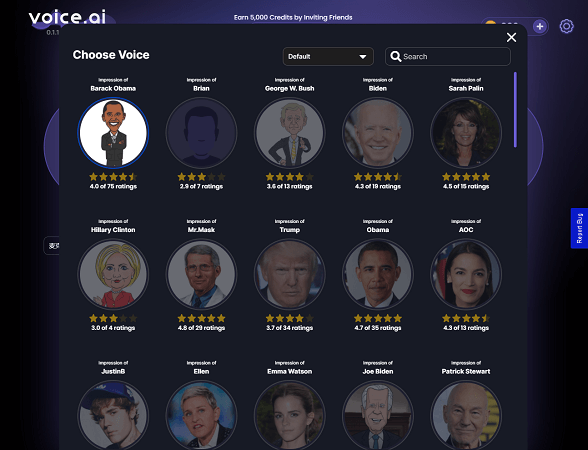
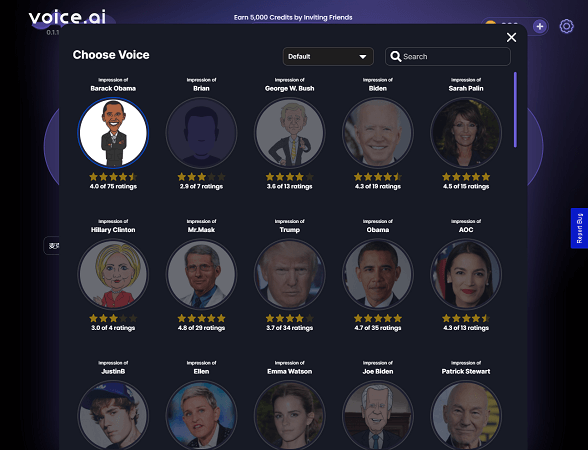
An AI celebrity voice changer is a software tool that uses artificial intelligence to modify or generate speech so it sounds like a specific public figure. Unlike traditional voice effects that simply adjust pitch or speed, modern AI voice changers rely on deep learning models trained to replicate the unique vocal characteristics of a celebrity.
These systems can either:
- Transform a user’s voice in real time to resemble a celebrity, or
- Generate new speech from text using a cloned celebrity voice.
The result is audio that captures not just how a voice sounds, but how it speaks—its rhythm, emotion, and subtle imperfections.
Voice Changer vs. Voice Cloning: What’s the Difference?
Although often used interchangeably, the two terms describe different technologies:
- AI Voice Changer: Alters an existing voice input (live or recorded) to sound like someone else.
- AI Voice Cloning: Creates a synthetic voice model trained on samples of a specific person’s voice, capable of generating entirely new speech.
Celebrity voice changers typically combine both approaches, which is why their outputs have become increasingly convincing—and controversial.
How AI Celebrity Voice Changers Work
Voice Data Collection and Training
Everything starts with data. To replicate a celebrity’s voice, AI systems require hours of high-quality audio. These samples are often collected from:
- Public interviews and speeches
- Podcasts and audiobooks
- Movies, TV shows, and YouTube videos
The more diverse and clean the dataset, the more realistic the final voice model. According to industry estimates, high-fidelity voice cloning can require anywhere from 30 minutes to several hours of curated audio, depending on the complexity of the model.
Machine Learning and Deep Learning Models
Once the data is collected, it is fed into deep learning architectures such as neural networks. These models learn to map text or voice input to audio output by analyzing:
- Pitch and tone
- Accent and pronunciation
- Speech rhythm and pauses
- Emotional inflections
Modern AI celebrity voice changers often use a combination of:
- Text-to-Speech (TTS) systems for generating speech from text
- Voice Conversion (VC) models for transforming one voice into another
The Role of Deepfake Voice Technology
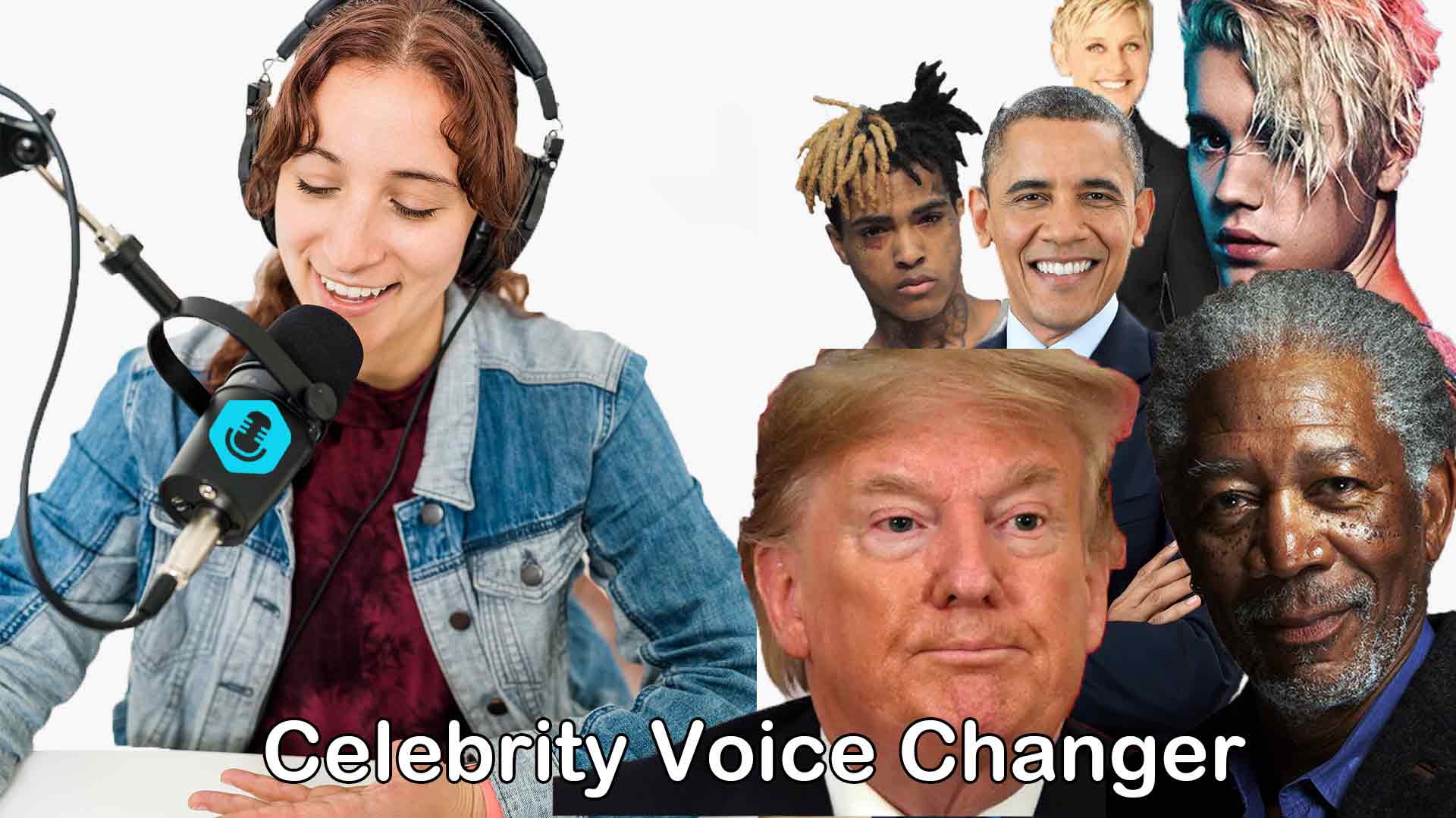
At the heart of many AI celebrity voice tools is deepfake voice technology. Techniques such as Generative Adversarial Networks (GANs) and diffusion models enable the system to continuously refine its output until it becomes nearly indistinguishable from real human speech.
A 2023 study by cybersecurity firm Pindrop found that synthetic voice fraud attempts increased by over 350% compared to the previous year, highlighting both the power and the danger of this technology.
Real-Time vs. Pre-Recorded Voice Generation
AI celebrity voice changers generally fall into two categories:
- Real-time voice changers: Used in gaming, streaming, and live calls, where low latency is critical.
- Pre-recorded voice generators: Used for videos, ads, audiobooks, and other polished content.
Real-time systems trade some realism for speed, while offline systems can achieve higher accuracy through heavier processing.
Popular Use Cases of AI Celebrity Voice Changers
Content Creation and Social Media
One of the biggest drivers behind the rise of AI celebrity voice changers is content creation. Creators use these tools to:
- Create humorous skits and parodies
- Produce engaging narration without hiring voice actors
- Stand out in crowded platforms like TikTok and YouTube
For example, viral videos featuring “celebrity-style” narration regularly attract millions of views, even when clearly labeled as AI-generated.
Gaming and Live Streaming
Gamers and streamers use AI voice changers to role-play characters or entertain audiences during live sessions. When used transparently, this adds creativity and immersion without misleading viewers.
Marketing and Advertising (With Permission)
In controlled, licensed scenarios, brands experiment with AI-generated voices to localize campaigns, test voice styles, or prototype ads. However, reputable companies increasingly insist on explicit consent and legal clearance before using any recognizable voice.
Key Benefits of AI Celebrity Voice Changers
Creative Freedom and Speed
AI celebrity voice changers dramatically reduce production time. What once required booking talent, studio time, and multiple revisions can now be done in minutes. This empowers small teams and independent creators to compete with larger studios.
Cost Efficiency and Scalability
From a business perspective, AI voice technology lowers costs and scales easily across languages and formats. According to Deloitte, companies adopting AI-driven media production report cost reductions of 20–30% in early pilot projects.
This efficiency explains why interest in AI celebrity voice changers continues to surge—setting the stage for an equally important discussion about the risks, which we will explore in the next section.
Risks and Dangers of AI Celebrity Voice Changers
Legal Risks and Copyright Issues
One of the most significant risks associated with an AI celebrity voice changer is legal exposure. A person’s voice can be considered part of their identity, and in many jurisdictions it is protected under “right of publicity” or similar laws. Using a celebrity’s voice without permission, especially for commercial purposes, may lead to lawsuits, fines, or takedown requests.
Legal frameworks vary widely by country. In the United States, several states explicitly protect voice likeness. In the European Union, data protection and personality rights laws can apply. In many Asian markets, including Vietnam, regulations are still evolving, creating legal gray areas that can be risky for businesses.
Ethical Concerns and Consent
Beyond legality, ethical considerations are central to the debate around AI celebrity voice changers. Even when content is technically legal, using someone’s voice without consent raises serious questions about respect, transparency, and trust.
“A person’s voice is deeply tied to their identity. Replicating it without permission undermines trust and opens the door to abuse,” — AI ethics researcher, MIT Media Lab.
For creators and brands, ethical misuse can result in reputational damage that outweighs any short-term gains.
Security Threats and Fraud
AI-generated voices are increasingly used in scams and social engineering attacks. Criminals have used voice cloning to impersonate executives, family members, and public figures to extract money or sensitive information.
- Voice phishing (vishing) attacks
- Impersonation in phone calls
- Fake audio evidence in disputes
According to Europol, deepfake audio and video are expected to become a major enabler of cybercrime in the coming years, making responsible use critical.
How to Use AI Celebrity Voice Changers Responsibly
Best Practices for Ethical Use
Responsible use begins with clear intent and transparency. If you plan to experiment with AI celebrity voice changers, consider the following best practices:
- Always obtain explicit permission for commercial use
- Clearly label AI-generated voices as synthetic
- Avoid content that could mislead or harm audiences
- Respect local laws and platform policies
These steps not only reduce risk but also build long-term trust with users and partners.
Choosing Ethical and Secure AI Tools
Not all AI voice tools are created equal. Reputable platforms emphasize data privacy, clear licensing terms, and user accountability. When evaluating tools, look for:
- Transparent training data policies
- Clear terms of service and usage rights
- Built-in safeguards against misuse
This is where independent research becomes essential.
How to Choose the Right AI Voice Solution
Key Evaluation Criteria
Before adopting an AI celebrity voice changer, assess solutions across multiple dimensions:
| Criteria | Why It Matters |
|---|---|
| Voice realism | Determines user experience and credibility |
| Legal clarity | Reduces compliance and liability risks |
| Customization | Enables flexible creative use |
| Security & privacy | Protects user data and prevents misuse |
| Transparent pricing | Avoids hidden costs and lock-in |
Why Independent Research Matters
Many tools promise “celebrity-level” voices but hide limitations, unclear licensing, or data risks in fine print. Platforms like ai.duythin.digital help users compare AI voice solutions with in-depth reviews, feature breakdowns, and transparent pricing, saving time and reducing costly mistakes.
The Future of AI Celebrity Voice Technology
Emerging Trends and Regulation
Governments and tech companies are beginning to respond to the rise of synthetic media. Expected developments include:
- Stronger consent and licensing frameworks
- AI-generated voice watermarking
- Clearer disclosure requirements
These measures aim to balance innovation with accountability.
Opportunities and Challenges Ahead
AI celebrity voice changers will continue to evolve, offering higher realism and broader applications. The challenge lies in ensuring that creativity does not outpace responsibility. The winners in this space will be those who combine technical excellence with ethical leadership.
Conclusion: Is an AI Celebrity Voice Changer Worth Using?
AI celebrity voice changers offer remarkable creative potential, cost savings, and scalability. At the same time, they introduce serious legal, ethical, and security risks that cannot be ignored. Whether you are a creator, marketer, or business leader, informed decision-making is essential.
By understanding how the technology works and choosing trustworthy tools, you can explore AI voice innovation responsibly rather than reactively.
Frequently Asked Questions (FAQ)
Is using an AI celebrity voice changer legal?
It depends on the country, the purpose, and whether you have permission. Commercial use without consent is often risky.
Can AI celebrity voices be detected?
Detection tools exist, but high-quality models can still evade them, which is why transparency is important.
Are AI voice changers safe for businesses?
They can be safe if used responsibly, with proper legal review and secure, reputable platforms.
Call to Action
If you want to explore AI voice tools without wasting time or exposing your business to unnecessary risks, visit ai.duythin.digital. Our platform helps you compare AI solutions, understand real-world limitations, and choose tools that align with your goals—clearly, transparently, and responsibly.
Author: AI Research Team – Vietnam’s leading AI community, with hands-on experience reviewing and testing AI tools for business and creative use.