

AI Voice Generator Explained: How It Works & Applications
Imagine creating studio-quality voiceovers in minutes, localizing content into dozens of languages, or deploying a 24/7 customer support voice without hiring a single voice actor. This is no longer science fiction. It is the everyday reality enabled by the AI voice generator. As businesses and creators race to scale content and communication, voice has become one of the most powerful interfaces between humans and machines. Yet many people still wonder: how does AI voice generation actually work, how reliable is it, and where does it truly add value?
In this in-depth guide, we break down AI voice generators from the ground up. You will learn the core technologies behind them, understand their real-world applications, and gain practical insights to evaluate whether this technology fits your business or personal needs. This article is written for decision-makers who value clarity, transparency, and evidence over hype.

What Is an AI Voice Generator?
Definition of an AI Voice Generator
An AI voice generator is a software system that uses artificial intelligence to convert written text into natural-sounding human speech. Unlike traditional text-to-speech systems that relied on rigid, robotic audio snippets, modern AI voice generators produce fluid speech with realistic intonation, rhythm, and emotion.
At its core, an AI voice generator learns how humans speak by analyzing massive datasets of recorded voices. Using machine learning models, it predicts how words, sentences, and emotions should sound when spoken aloud. The result is speech that often feels indistinguishable from a real human voice.
Evolution from Traditional Text-to-Speech to AI Voice
Early text-to-speech (TTS) systems were rule-based. They stitched together pre-recorded phonemes, producing voices that were intelligible but unnatural. Anyone who used GPS navigation systems in the early 2000s remembers the mechanical tone.
The breakthrough came with deep learning. Neural networks enabled systems to learn speech patterns end-to-end. According to Google Research, neural TTS models reduced speech synthesis errors by over 50 percent compared to concatenative methods. This shift marked the birth of today’s AI voice generators.
Why AI Voice Generators Are Transforming Digital Content
Voice is faster to consume than text and more emotionally engaging. As a result, AI voice technology is reshaping industries such as:
- Marketing and advertising
- Customer support and call centers
- E-learning and accessibility
- Media, gaming, and entertainment
For businesses, the appeal lies in scalability and consistency. For individuals, it offers creative freedom and accessibility previously limited by cost and technical barriers.
How Does an AI Voice Generator Work?
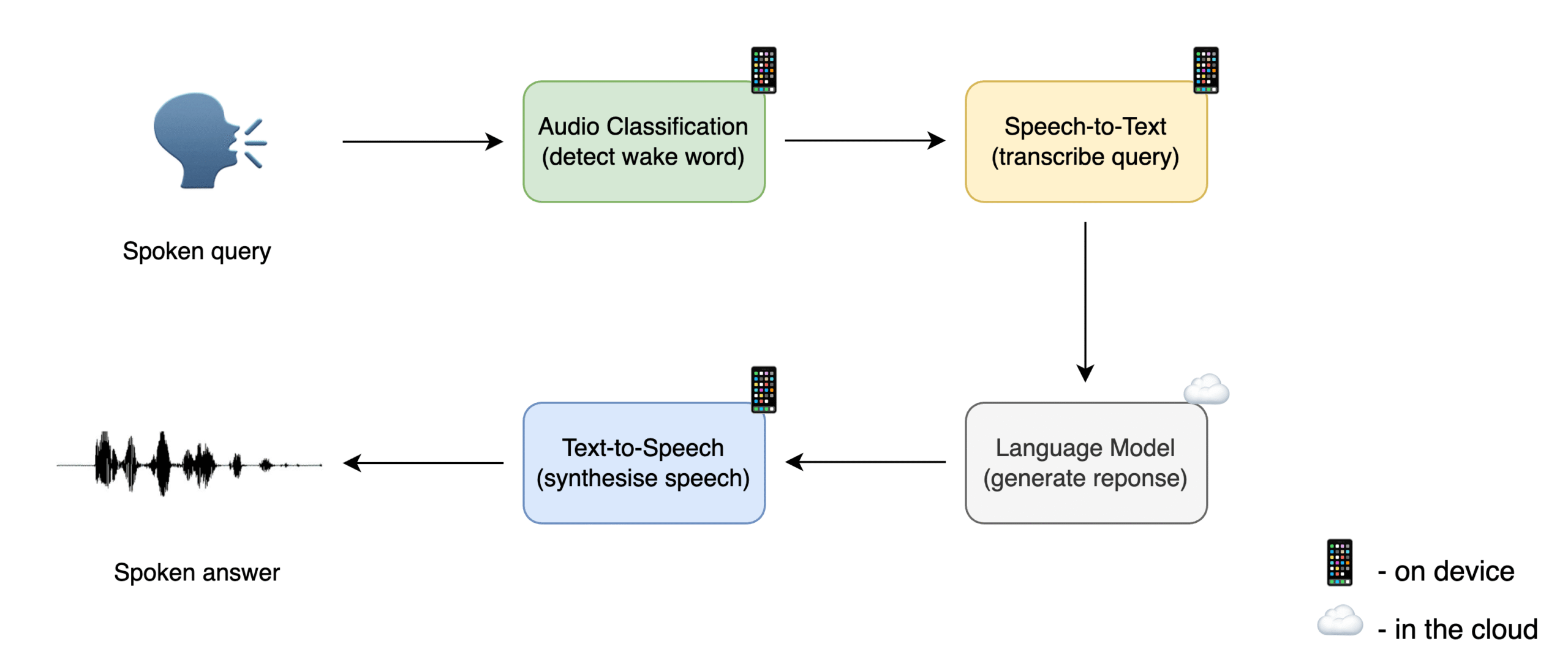
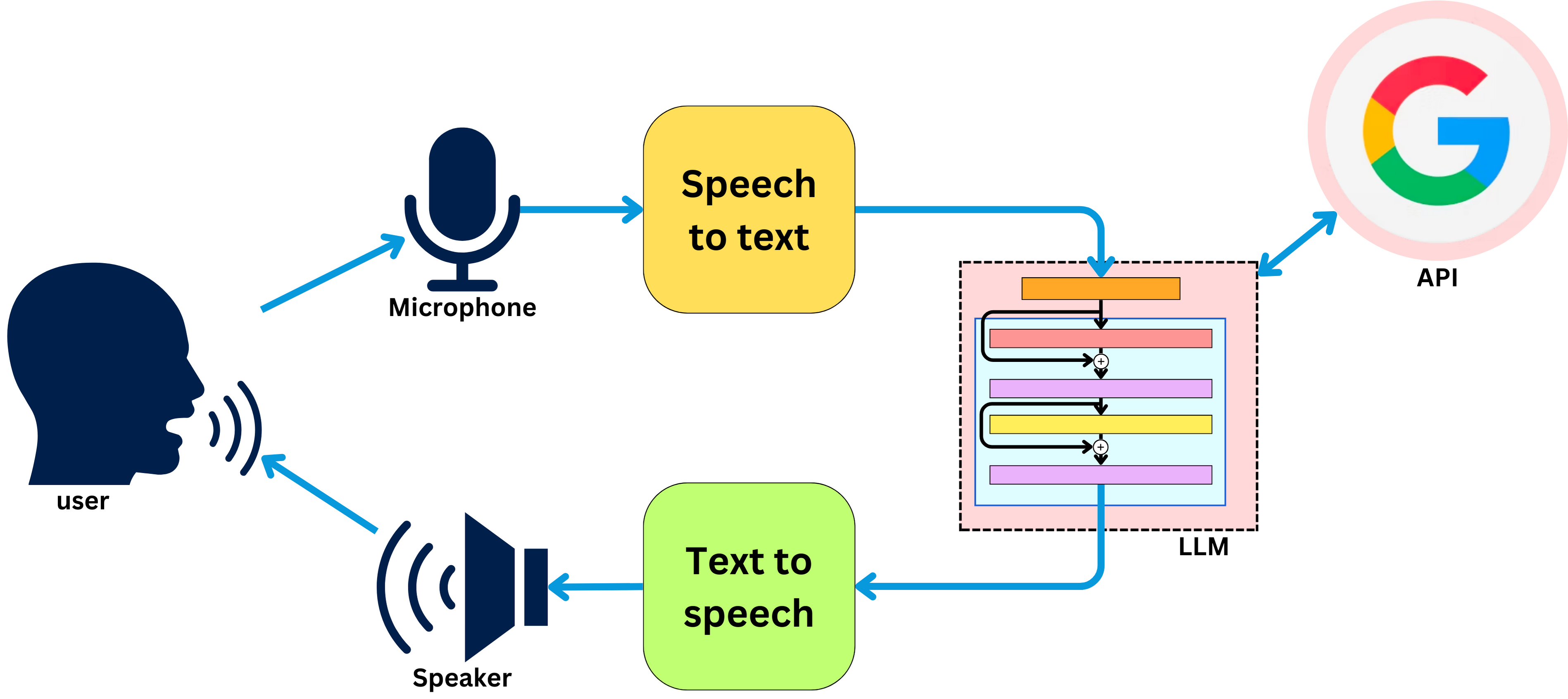
While the output feels simple, the process behind an AI voice generator is highly sophisticated. Most systems follow a multi-stage pipeline that transforms raw text into lifelike audio.
Text Input and Linguistic Analysis
Natural Language Processing (NLP)
The first step is understanding the text. Using Natural Language Processing, the AI analyzes grammar, sentence structure, punctuation, and context. This allows the system to determine where to pause, which words to emphasize, and how sentences should flow.
Phoneme and Prosody Mapping
Words are then broken into phonemes, the smallest units of sound. At the same time, the system predicts prosody, meaning stress, rhythm, and intonation. Prosody is what separates a flat, robotic voice from a natural one.
Neural Network Processing
Deep Learning Models
Modern AI voice generators rely on deep neural networks trained on thousands of hours of speech. These models learn complex relationships between text and sound without explicit programming.
Recurrent Neural Networks (RNN)
Earlier systems used RNNs to process sequences of text. While effective, they struggled with long sentences and contextual consistency.
Transformer-Based Models
Today, transformer architectures dominate AI voice generation. Models such as Tacotron, FastSpeech, and VITS handle long-range dependencies more efficiently, producing smoother and more expressive voices.
Voice Synthesis and Audio Output
Waveform Generation
Once linguistic features are generated, a vocoder converts them into raw audio waveforms. Neural vocoders like WaveNet and HiFi-GAN are responsible for the final sound quality.
Emotion, Tone, and Accent Control
Advanced AI voice generators allow users to control emotional tone, speaking speed, pitch, and even regional accents. This customization is critical for branding and user engagement.
Key Technologies Behind AI Voice Generators
Text-to-Speech (TTS)
TTS is the foundation of AI voice generation. It converts text into spoken audio. Neural TTS systems outperform older methods by generating speech holistically rather than assembling fragments.
Neural Text-to-Speech (NTTS)
NTTS models leverage deep learning to map text directly to audio. According to a 2023 IEEE review, neural TTS systems significantly improve intelligibility and listener preference scores compared to classical TTS.
Voice Cloning Technology
Voice cloning allows an AI to replicate a specific person’s voice using a limited audio sample. This technology is widely used in media localization and personalized assistants.
Speaker Embeddings
Speaker embeddings capture the unique characteristics of a voice, such as timbre and pitch range. These embeddings allow the AI to reproduce a voice consistently across different texts.
Few-Shot Voice Training
Modern systems can clone voices using just a few minutes of audio. While powerful, this capability raises ethical and legal considerations, which we will explore later.
AI Model Training with Large Audio Datasets
Training an AI voice generator requires diverse, high-quality datasets. These datasets include different languages, accents, age groups, and emotional tones. Diversity is essential to avoid bias and ensure natural output.
Types of AI Voice Generators
Standard AI Text-to-Speech Tools
These tools focus on converting text into natural speech and are commonly used for narration, e-learning, and accessibility.
AI Voice Cloning Tools
Voice cloning tools replicate specific voices for branding or personalization. They are popular in gaming, audiobooks, and virtual assistants.
Real-Time AI Voice Generators
Real-time systems generate speech instantly and are used in live customer support, virtual meetings, and interactive applications.
Multilingual and Accent-Based AI Voices
Many AI voice generators support dozens of languages and regional accents, enabling global communication without hiring local voice talent.
Applications of AI Voice Generators
Business and Enterprise Use Cases
Customer Support and AI Voice Assistants
AI voice generators power virtual assistants that handle customer inquiries around the clock. According to IBM, businesses using AI voice support report up to 30 percent cost reduction in call center operations.
Sales Automation and IVR Systems
Interactive Voice Response systems use AI voices to route calls intelligently, improving customer satisfaction while reducing wait times.
Marketing and Content Creation
Video Narration and Advertising
Marketers use AI voice generators to produce ads, explainer videos, and social media content quickly and consistently.
Podcasting and Audiobooks
AI voices allow creators to scale audio content production without the high costs of studio recording.
Education and E-Learning
AI Tutors and Course Narration
Educational platforms use AI voice generators to narrate lessons, making content accessible to learners with different needs and learning styles.
Personal and Accessibility Use Cases
Accessibility for Visually Impaired Users
AI voice technology plays a crucial role in screen readers and assistive devices, empowering millions of users worldwide.
Personal Productivity Tools
From reading emails aloud to powering smart assistants, AI voice generators enhance everyday productivity.
Benefits of Using AI Voice Generators
The rapid adoption of AI voice generators is not accidental. Organizations and individuals across industries are embracing this technology because it delivers measurable advantages in efficiency, scalability, and user experience.
Cost Efficiency Compared to Human Voice Actors
Hiring professional voice actors involves studio fees, retakes, scheduling delays, and licensing limitations. In contrast, an AI voice generator allows unlimited revisions at a fraction of the cost. For startups and SMEs, this difference can mean launching audio-driven products months earlier and within budget.
Scalability and Speed
AI voice generators can produce thousands of audio files in minutes. This scalability is critical for:
- Global e-learning platforms with large course libraries
- Enterprises localizing content into multiple languages
- Marketing teams running A/B tests on audio ads
Consistent Voice Branding
Maintaining a consistent voice across channels is challenging with human narrators. AI voice generators ensure the same tone, pronunciation, and pacing across all content, strengthening brand identity.
Multilingual and Global Reach
Many AI voice generators support 30 to 100+ languages and accents. According to CSA Research, companies that localize content are 1.8 times more likely to experience revenue growth. AI voice technology removes language barriers faster than ever.
Limitations and Ethical Considerations
Despite their advantages, AI voice generators are not without challenges. Understanding these limitations is essential for responsible adoption.
Voice Authenticity and Emotional Depth
Although AI voices sound natural, they may still lack the subtle emotional nuance of a skilled human actor, particularly in storytelling or high-empathy scenarios.
Deepfake and Misuse Risks
Voice cloning technology can be misused for impersonation or fraud. This has prompted increased scrutiny from regulators and technology providers.
Copyright and Consent Issues
Ethical AI voice generation requires explicit consent from voice owners. Reputable platforms enforce strict policies to prevent unauthorized voice replication.
Regulatory Landscape
Governments worldwide are introducing AI regulations. For example, the EU AI Act classifies biometric voice data as high-risk, requiring transparency and safeguards. Businesses must stay informed to remain compliant.
How to Choose the Right AI Voice Generator
Selecting the right AI voice generator depends on your goals, budget, and use case. Below are the key evaluation criteria used by experts.
Voice Quality and Naturalness
Listen for clarity, smooth transitions, and natural prosody. High-quality AI voices should be comfortable for long listening sessions.
Language and Accent Support
Ensure the tool supports your target markets. Accent accuracy matters as much as language availability.
Customization and Voice Cloning Features
Advanced users may require emotion control, pitch adjustment, or custom voice training. Not all tools offer these features.
Pricing Models and Transparency
Pricing varies widely. Common models include:
| Pricing Model | Best For | Considerations |
|---|---|---|
| Free / Freemium | Testing & personal use | Limited voices and usage |
| Subscription | Content creators | Monthly character limits |
| Pay-as-you-go | Developers | Cost varies by usage |
| Enterprise | Large organizations | Custom contracts |
Data Privacy and Security
For business use, ensure the provider complies with data protection standards such as GDPR and clearly states how voice data is stored and used.
AI Voice Generator Pricing Overview
AI voice generator pricing reflects voice quality, customization, and scale. Entry-level plans may cost under $20 per month, while enterprise solutions can reach thousands depending on usage and licensing.
Transparent pricing is critical. Hidden fees for commercial rights or voice cloning can significantly increase total cost.
Why Use ai.duythin.digital to Compare AI Voice Solutions
Choosing the right AI voice generator can be overwhelming. That is where ai.duythin.digital adds value.
Verified Reviews from Vietnam’s AI Community
Our platform aggregates real feedback from professionals, developers, and businesses actively using AI voice tools.
Feature Comparisons Made Simple
Side-by-side comparisons help you quickly evaluate voice quality, language support, pricing, and limitations without spending hours on research.
Transparent Pricing and Honest Insights
We highlight real costs, not marketing promises, helping users make confident, informed decisions.
Save Time on AI Tool Research
Instead of testing dozens of platforms, users rely on curated insights from Vietnam’s leading AI community.
Future Trends of AI Voice Generation
Emotion-Aware AI Voices
Next-generation models will adapt tone and emotion dynamically based on context, making conversations more human-like.
Hyper-Realistic Voice Cloning
Voice replication will become increasingly accurate, emphasizing the need for ethical safeguards and consent frameworks.
AI Voice and Conversational AI Integration
AI voice generators will increasingly integrate with chatbots and large language models, creating fully interactive voice agents.
Regulation and Trust as Competitive Advantages
Trustworthy platforms that prioritize transparency and compliance will dominate long-term adoption.
Frequently Asked Questions
Is AI voice generation legal?
Yes, when used ethically and with consent. Laws vary by region, so businesses should consult local regulations.
Can AI voices replace human narrators?
AI voices complement rather than fully replace humans. They excel at scale and consistency, while humans remain valuable for high-emotion storytelling.
Are AI voice generators safe for business use?
Reputable providers implement security and compliance measures. Always review data handling policies.
Which industries benefit most from AI voice technology?
Education, customer support, marketing, media, and accessibility services see the highest impact.
Conclusion: Key Takeaways on AI Voice Generators
AI voice generators represent a fundamental shift in how humans interact with technology. By combining deep learning, linguistic intelligence, and scalable infrastructure, they deliver fast, cost-effective, and increasingly human-like speech.
For businesses and individuals alike, the key is not whether to use AI voice technology, but how to choose the right solution responsibly.
Make Smarter AI Decisions Today
If you want to explore, compare, and evaluate AI voice generators with confidence, visit ai.duythin.digital. Save time on research, avoid hidden costs, and make informed AI decisions backed by real expertise.
Explore AI voice solutions now and turn text into powerful, human-like speech.