
Limitations of Free AI Voice Tools You Should Know
AI voice technology has moved from novelty to necessity in just a few years. From YouTube narration and TikTok videos to e-learning courses and customer support chatbots, AI-generated voices are everywhere. A quick Google search reveals dozens of free AI voice tools promising realistic speech at zero cost. It sounds like the perfect deal. But here is the uncomfortable truth: free rarely means unlimited, reliable, or safe.
Many creators and businesses only discover the real limitations of free AI voice tools after investing hours into content that cannot be monetized, scaled, or even legally used. This article takes a clear, experience-backed look at what free AI voice tools can and cannot do, so you can make informed decisions before relying on them for serious projects.
What Are Free AI Voice Tools?
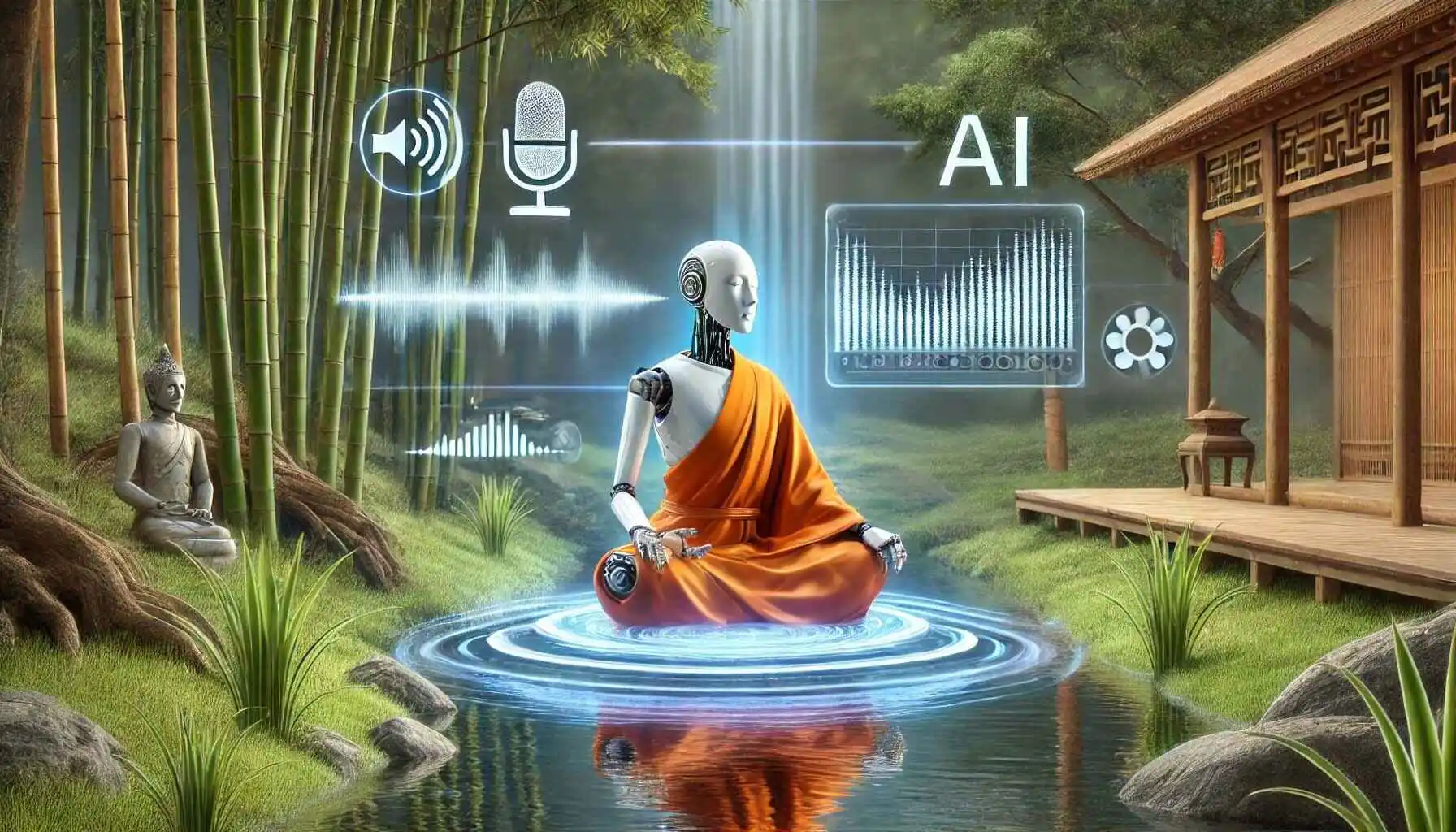
Free AI voice tools are text-to-speech or voice generation platforms that allow users to convert written text into spoken audio without paying upfront. These tools are often web-based and require little to no technical knowledge, making them attractive to beginners and casual users.
Definition and Common Use Cases
At their core, free AI voice tools rely on machine learning models trained on large speech datasets to generate synthetic voices. Typical use cases include:
- Voice-overs for short videos or social media clips
- Narration for blog posts or presentations
- Basic e-learning or internal training drafts
- Testing scripts before professional recording
For individuals experimenting with audio content or validating ideas, these tools can be genuinely useful. However, their limitations become obvious once expectations rise.
Why Free AI Voice Tools Are So Popular
The popularity of free AI voice generators is driven by three main factors:
- Zero upfront cost: No subscription or credit card required.
- Instant results: Text can be converted into audio within seconds.
- Low learning curve: Simple interfaces designed for non-technical users.
According to a 2024 report by Statista, over 45% of content creators globally have tried at least one free AI voice tool before considering a paid alternative. This trial-first behavior explains why free tools dominate search results, even though they rarely meet professional standards.
The Most Common Limitations of Free AI Voice Tools
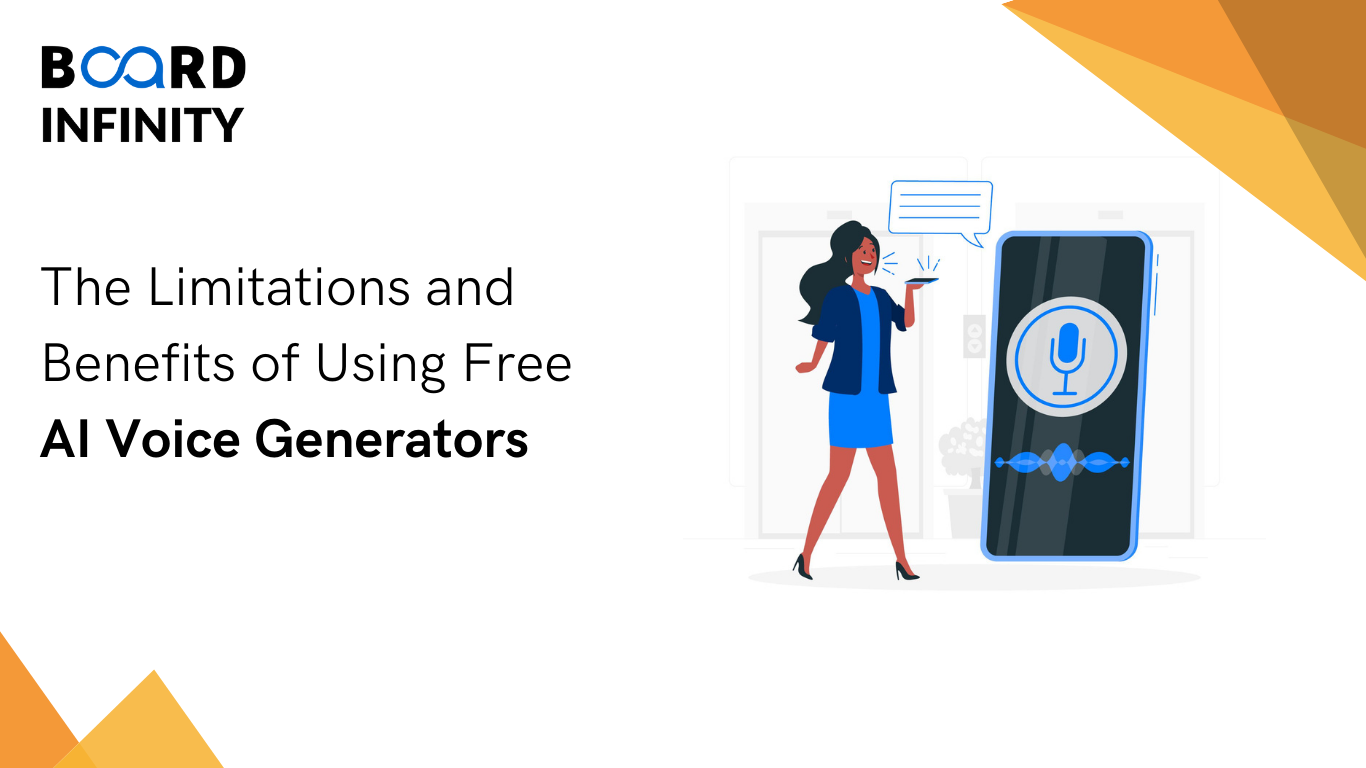
While free AI voice tools are accessible, they are intentionally restricted. These restrictions protect the provider’s infrastructure and encourage users to upgrade. Below are the most important limitations you should understand.
Limited Voice Quality and Naturalness
One of the most noticeable drawbacks is audio quality. Free AI voice tools often rely on older or lightweight speech models that lack emotional depth and human-like variation.
Robotic Tone and Poor Emotional Control
Free voices typically sound flat, mechanical, or inconsistent. Emotional cues such as excitement, empathy, or urgency are either missing or poorly executed. This is especially problematic for:
- Marketing videos that rely on persuasion
- Storytelling or audiobook narration
- Customer-facing content where trust matters
As AI researcher Dr. Rupal Patel notes, “Human speech is not just about words, but rhythm, emotion, and intent. Low-tier AI models struggle to capture that complexity.” This gap is immediately noticeable to listeners.
Low-Quality Audio Output Formats
Another hidden limitation is audio resolution. Many free AI voice tools export files with:
- Lower bitrates
- Compressed formats
- Audible artifacts or background noise
While this may be acceptable for internal drafts, it often fails quality checks on platforms like YouTube, Spotify, or online learning systems that prioritize clear, professional sound.
Restricted Usage and Hard Limits
Perhaps the most frustrating limitation of free AI voice tools is usage restriction. These limits are rarely obvious at first and often disrupt workflows at critical moments.
Character and Time Caps
Most free AI voice generators impose strict caps such as:
- 500 to 2,000 characters per day
- Limited minutes of audio per month
- Single-session generation limits
For example, a short YouTube script of 1,500 words can easily exceed daily limits, forcing creators to split projects across multiple days or abandon the tool entirely.
Slow Processing and Queue Delays
Free users are typically placed at the lowest priority level. During peak hours, this results in:
- Long processing queues
- Failed or interrupted audio generation
- Inconsistent output quality
For businesses working with deadlines, this unpredictability alone is enough to disqualify free AI voice tools from serious consideration.
Very Limited Voice and Language Options
Another major limitation of free AI voice tools lies in the narrow range of voices and languages they support. While premium platforms invest heavily in linguistic diversity and voice realism, free versions usually offer only a small sample designed for testing rather than real-world deployment.
Few Voice Styles and Accents
Most free AI voice tools provide only a handful of generic voices, often limited to:
- One or two male and female voices
- Neutral or US-centric accents
- No age, tone, or personality variations
This lack of diversity makes it difficult to build brand identity or connect with specific audiences. For example, a company targeting Southeast Asian users may find that free tools offer poor accent localization or unnatural pronunciation, reducing trust and engagement.
Weak Multilingual Support
Although many free tools claim “multi-language support,” the reality is often disappointing. Languages beyond English frequently suffer from:
- Incorrect stress and intonation
- Mispronounced local names and terms
- Limited voice availability per language
According to a 2023 Common Voice project analysis, speech synthesis accuracy drops by over 30% in low-resource languages when using non-specialized AI models. This explains why free tools struggle outside major global languages.
Watermarks and Branding Restrictions
Many users only discover this limitation after exporting their audio. Free AI voice tools often attach branding elements that restrict professional use.
Audible or Textual Watermarks
These watermarks may appear as:
- Spoken brand mentions at the beginning or end of audio
- Embedded metadata identifying the tool
- Visual watermarks when paired with video exports
While understandable from a business perspective, watermarks severely limit usability for marketing, client work, or public-facing content.
Impact on Professional Content
For businesses, watermarked audio can:
- Reduce brand credibility
- Distract audiences
- Violate client or platform guidelines
As marketing strategist Neil Patel once noted, “Brand consistency is built on details. Anything that breaks immersion weakens trust.” Free AI voice watermarks do exactly that.
Licensing, Copyright, and Legal Risks
One of the most overlooked limitations of free AI voice tools is licensing. Many users assume that “free” automatically means safe for commercial use. This assumption can be costly.
Unclear Commercial Usage Rights
Free tools often restrict usage to personal or non-commercial projects. Common clauses include:
- No monetization on platforms like YouTube
- No resale or client delivery
- No use in paid advertising
These terms are usually buried in lengthy policies that few users read carefully.
Risks for Businesses and Monetized Content
Using free AI voice tools without proper licensing can lead to:
- Content takedowns
- Demonetization
- Legal disputes with clients or platforms
For companies, these risks far outweigh the short-term savings of free tools.
No Advanced Features or Customization
Free AI voice tools are intentionally stripped of advanced capabilities that modern workflows depend on.
No Voice Cloning or Fine-Tuning
Premium features such as voice cloning, emotional tuning, or custom pacing are rarely available for free. This limits:
- Brand voice consistency
- Personalized user experiences
- Creative storytelling flexibility
Missing Integration Options
Free tools usually lack:
- API access
- Automation support
- Workflow integrations with video or LMS platforms
For teams producing content at scale, manual generation quickly becomes inefficient.
Data Privacy and Security Concerns
When using free AI voice tools, users often pay with their data instead of money.
Uploaded Text and Audio Storage
Many free platforms store uploaded text or generated audio to:
- Train future models
- Analyze user behavior
- Improve ad targeting
Without transparent policies, users have little control over how their data is reused.
Risks for Confidential Business Information
Uploading internal documents, scripts, or customer data into free tools can create compliance risks, especially for industries governed by data protection regulations.
When Are Free AI Voice Tools Still Useful?
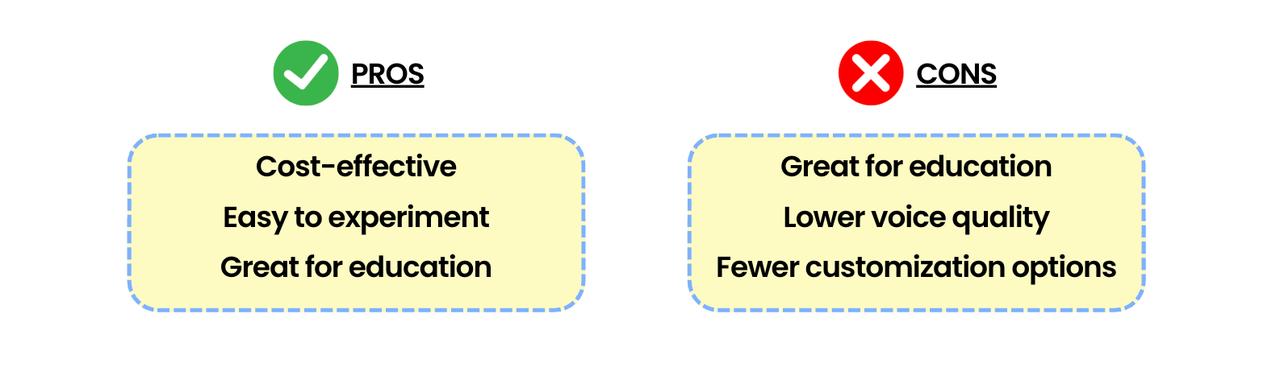
Despite their limitations, free AI voice tools are not entirely useless. They can be valuable in specific scenarios.
Ideal Use Cases
- Testing scripts or concepts
- Personal learning and experimentation
- Non-commercial internal drafts
When You Should Avoid Free Tools
- Client-facing projects
- Brand marketing and advertising
- Monetized videos or courses
Frequently Asked Questions
Are free AI voice tools safe to use?
They are generally safe for experimentation, but users should avoid uploading sensitive or proprietary data and always review usage terms.
Can I monetize content created with free AI voices?
In most cases, no. Many free tools prohibit commercial use or monetization explicitly.
Do free AI voice tools support Vietnamese well?
Support is often limited. Pronunciation and tone accuracy tend to lag behind paid, regionally optimized solutions.
Final Thoughts: Know the Limits Before You Rely on Free AI Voice Tools
Free AI voice tools can be helpful entry points, but they are not designed for professional, scalable, or legally secure use. Their limitations in quality, licensing, customization, and reliability make them unsuitable for serious business applications.
If you value time, credibility, and long-term growth, investing in the right AI voice solution is not a cost but a strategic decision.
Explore Smarter AI Voice Solutions
To save time and avoid hidden risks, use a trusted platform that offers expert reviews, feature comparisons, and transparent pricing. At ai.duythin.digital, you can explore AI voice tools tailored for both business and personal needs, backed by insights from Vietnam’s leading AI community.
Make informed decisions. Choose tools that grow with your goals.